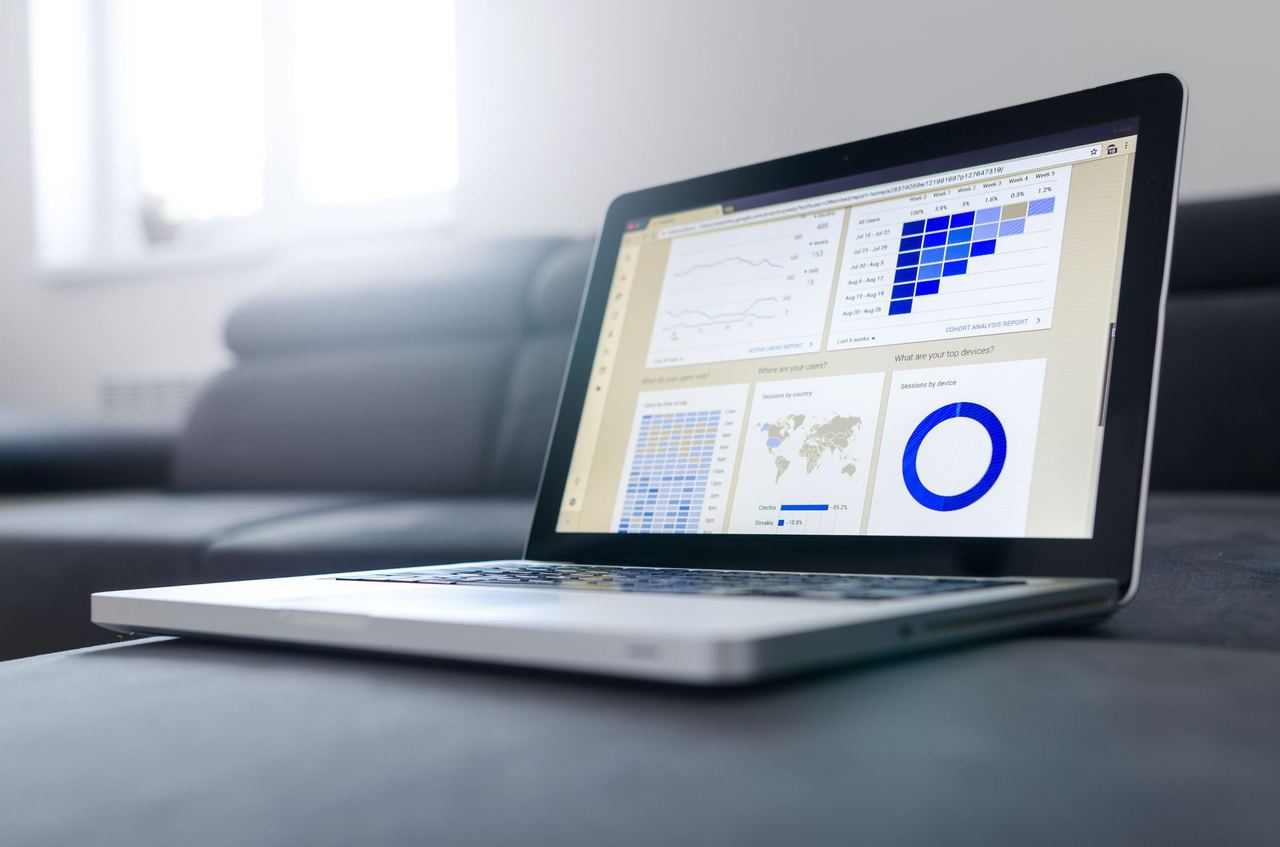
Over the past decade, public sector organisations have invested heavily in dashboards, performance scorecards and business intelligence tools. Local authorities, NHS organisations and environmental agencies now have access to more data than ever. Yet many leaders still struggle with the same fundamental challenge: turning information into better decisions.
Dashboards are excellent at answering "what happened?" They are far less effective at answering "what should we do next?"
The Dashboard Paradox
Most organisations now run executive, operational, financial, workforce, risk and environmental dashboards, and yet more dashboards often makes decision-making harder, not easier. A few patterns explain why:
- Information overload. Dashboards with hundreds of charts overwhelm rather than clarify. Leaders need prioritised insight, not more data.
- Data quality doubts. Meetings get consumed by "why does this figure differ from that report?" rather than "what should we do?" Without confidence in the data, dashboards lose credibility fast.
- Measuring everything, deciding nothing. Many KPIs persist simply because they always have, not because they drive action.
- Reporting instead of decision support. Traditional dashboards explain the past. Modern public services need forecasting, scenario modelling and recommendations for what comes next.
From Business Intelligence to Decision Intelligence
Business intelligence made public sector data more accessible. Decision Intelligence is the next stage: combining data, analytics, AI, domain expertise and governance to directly improve the quality of decisions, not just the visibility of information.
The progression looks like this:
Data → Information → Insight → Decision → Action → Learning
Most organisations stop at "Insight." The greatest public value sits in the final three steps.
Why Public Sector Decisions Are Different
Public bodies operate under a different kind of scrutiny than private organisations. Nearly every significant decision touches public safety, patient outcomes, environmental sustainability, financial accountability, legal compliance, equality or public trust. That means decisions must be transparent, evidence-based and open to independent scrutiny, which makes governance just as important as the technology itself.
A Practical Seven-Step Framework
- Build trusted data: clear ownership, metadata, validation and audit trails. Poor data cannot produce good decisions.
- Understand context: historical trends, seasonal variation, benchmarks and local conditions turn numbers into meaning.
- Generate actionable insight: ask "why has this changed?" and "where should we intervene?", not just "what does the dashboard show?"
- Evaluate options: weigh risk, cost, benefit, resourcing and equality impact. AI can support this through scenario modelling, but human judgement remains essential.
- Make transparent decisions: record the evidence considered, assumptions made, alternatives rejected and who owns the outcome.
- Implement effectively: clear ownership, timelines and resourcing turn a good decision into real change.
- Learn continuously: did the intervention work? What would you do differently next time?
Where AI Helps and Where It Doesn't
AI should augment public sector leaders, not replace them. Used well, it can detect anomalies earlier, forecast demand, flag emerging risks, and help prioritise interventions and resources. But recommendations should always remain explainable, proportionate, and subject to human oversight. Public trust depends on accountability for decisions staying with people, regardless of which tools were used to inform them.
The ODEIS Decision Framework
At ODEIS, we work with a simple five-stage model:
- Observe: collect accurate, timely, trusted information.
- Diagnose: understand why performance has changed.
- Evaluate: compare options against risk, cost and public value.
- Implement: turn evidence into action through effective delivery.
- Sustain: measure outcomes and keep improving.
This treats dashboards as one input into a broader decision ecosystem, not the destination.
Questions Worth Asking Before Your Next Dashboard
- Which decisions are we actually trying to improve?
- Can we trust the underlying data?
- Are our KPIs linked to outcomes, or just activity?
- Does this report explain why performance changed?
- Can we anticipate future challenges, not just report past ones?
- How will we know whether our decisions delivered the intended benefit?
If these can't be answered with confidence, another dashboard won't help.
The Bottom Line
The future of public sector analytics isn't defined by better dashboards. It's defined by better decisions: built on trusted data, sound governance, and a structured process for turning evidence into action.
ODEIS Limited specialises in decision intelligence, environmental data governance, AI readiness and performance analytics for public sector organisations.