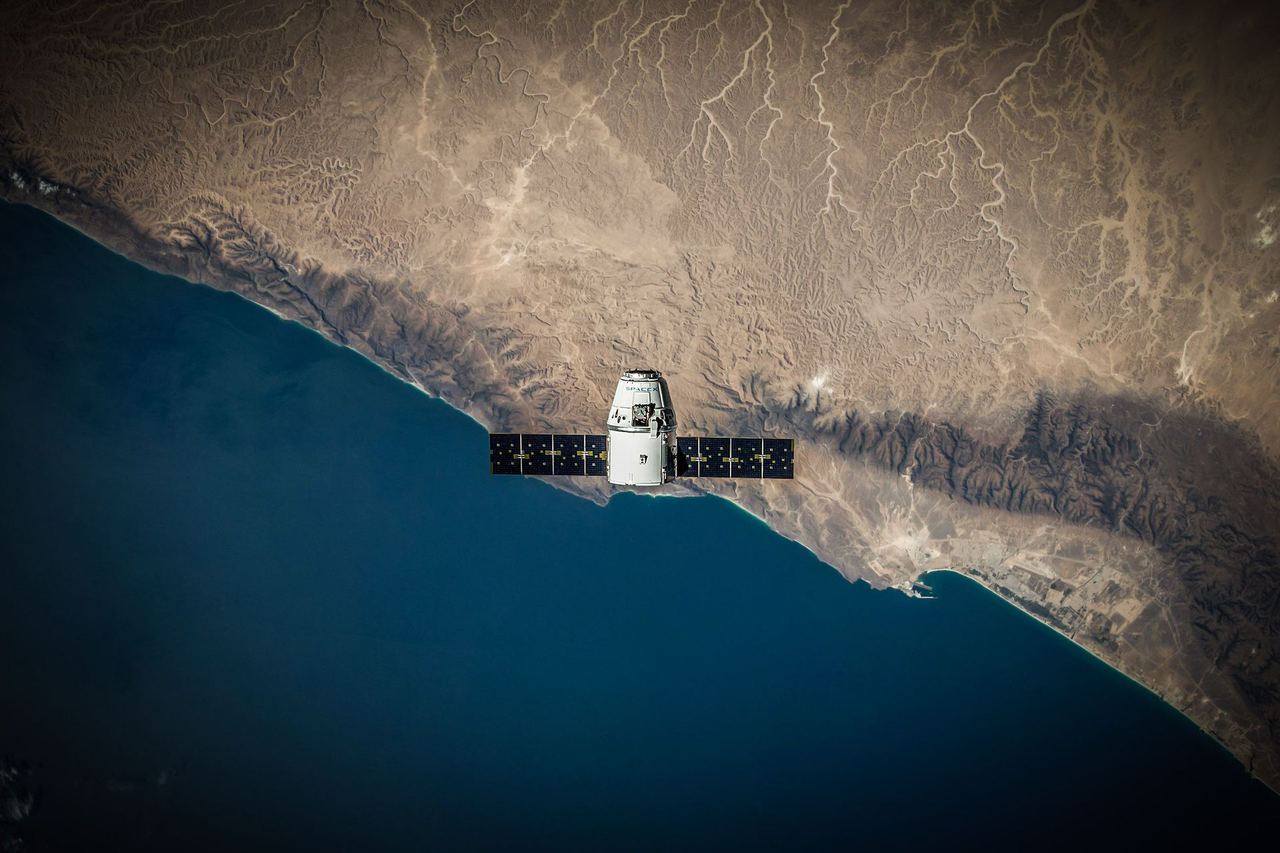
Environmental intelligence (EI) is the gathering, integration and analysis of environmental data, from sensors, satellites, IoT devices and citizen science, to support decision-making and manage ecological systems. What's changing is the direction of travel: EI is shifting from reactive monitoring towards predictive, AI-driven modelling. Modern systems fuse earth-observation satellites, ground sensors, crowdsourced observations and commercial data feeds in something close to real time, enabling forecasts and early warnings rather than just after-the-fact records.
Three layers, one pipeline
EI generally works across three stages: sourcing the data (satellites, in-situ sensors, citizen platforms, commercial feeds), processing it (statistical models, machine learning, hybrid physics-informed models), and turning it into actionable output (predictions, alerts, policy guidance). The concept sits close to ideas like "smart environment" and "digital Earth", supporting governments, industry and communities in managing air, water, land, biodiversity and climate systems.
The trade-offs behind the data
No single data source wins outright, and the differences matter for anyone relying on EI outputs:
- Satellite data (Landsat, Sentinel and similar) offers broad, often free, global coverage, but at moderate resolution and with latency ranging from minutes to days depending on the sensor and revisit schedule
- In-situ sensors (weather stations, water gauges, air-quality monitors) give high-precision, near-real-time readings, but coverage is dense in wealthier regions and sparse elsewhere
- Citizen-science and crowdsourced data (smartphone apps, community reporting) extend coverage cheaply but vary in quality and need active validation
- Commercial data (high-resolution private satellite imagery, specialist analytics platforms) delivers precision and speed at real subscription cost
The value of EI comes from fusing these sources, but that fusion is exactly where interoperability and quality problems tend to surface.
Prediction is maturing beyond simple statistics
Traditional statistical approaches (regression, time-series methods) are being supplemented, not replaced, by machine learning and, increasingly, hybrid physics-informed models that keep real physical constraints (like the water balance in a hydrology model) intact while letting a neural network learn the parts that are hard to model analytically. This hybrid approach tends to be more robust when applied somewhere the model hasn't seen before, which matters enormously in environmental settings where conditions are rarely stationary. Digital twins (dynamic virtual models of a city, watershed or ecosystem that ingest live sensor data) are the natural home for this kind of modelling, letting planners run "what-if" scenarios rather than just reading a single forecast.
Two things now matter as much as raw predictive accuracy: uncertainty quantification (how confident is this forecast, and should that change how it's acted on?) and explainability (can a domain expert see which factors actually drove a given prediction, particularly if the output feeds into a health advisory or an enforcement decision?).
Where it's already working
City-scale air-quality forecasting is increasingly informing public-health advisories and traffic management. Hybrid hydrology models that combine deep learning with traditional water-cycle physics are extending flood and drought forecasting into regions that previously had too little data for reliable modelling. Camera-trap and acoustic AI are helping conservation teams classify far more biodiversity monitoring data than manual review ever could. And early-warning initiatives are fusing satellite, sensor and social data to give vulnerable communities more lead time ahead of cyclones and floods. Smart-city programmes are applying the same logic at urban scale, integrating air-quality, traffic and utility sensors to manage congestion and pollution together rather than separately.
The governance catch
The same technologies that can improve equity, extending monitoring into historically under-covered regions, can just as easily widen the gap if investment concentrates in places that are already well resourced. Much of the world's environmental monitoring infrastructure still sits in North America, Europe and parts of Asia, leaving data-scarce regions comparatively under-served. Indigenous data sovereignty is a live and growing issue wherever EI touches land, resources or traditional knowledge: data-sharing and benefit arrangements need to be agreed with the communities involved, not assumed. And because EI increasingly feeds into decisions with real consequences (health alerts, disaster response, resource allocation), regulatory frameworks such as the EU AI Act are starting to treat some environmental systems as high-risk, which brings obligations around risk assessment, transparency and human oversight.
Where this is heading
The direction of travel over the next several years is fairly consistent across the field: better standards for fusing heterogeneous data sources; explainable AI tailored to environmental contexts rather than borrowed wholesale from other domains; more processing happening on edge devices (sensors and drones doing useful analysis on-site rather than shipping everything back to the cloud); wider adoption of digital twins for cities and watersheds; and clearer governance frameworks for equitable, sovereignty-respecting data sharing. None of this displaces the value of good monitoring. It builds on it, turning records of what already happened into genuine foresight about what's likely to happen next.
The bottom line
Environmental intelligence is moving from monitoring to prediction, and that shift creates real opportunity: earlier warnings, better-targeted interventions, more efficient use of scarce resources. But the organisations that benefit most won't be the ones that adopt the flashiest predictive model. They'll be the ones that pair the technology with solid data governance, genuine equity of coverage, and enough transparency that the people affected by a prediction can understand, and if necessary challenge, how it was made.